
Treasures from the Parish Chest: exploring North Yorkshire’s church history from archives to architecture
Two buildings commonly associated with parish churches, and usually sited in close proximity, are the vicarage and school/school house.
The vicarage
The church provided housing for the priest to live in, known variously as a vicarage, parsonage or rectory, being the residence of the vicar, parson or rector respectively. Most were located conveniently near to the church. There are numerous references to vicarages within parish record collections, whether in glebe terriers, inventories and/or, in some cases, where new structures are being built and documentary evidence and architectural drawings have survived.
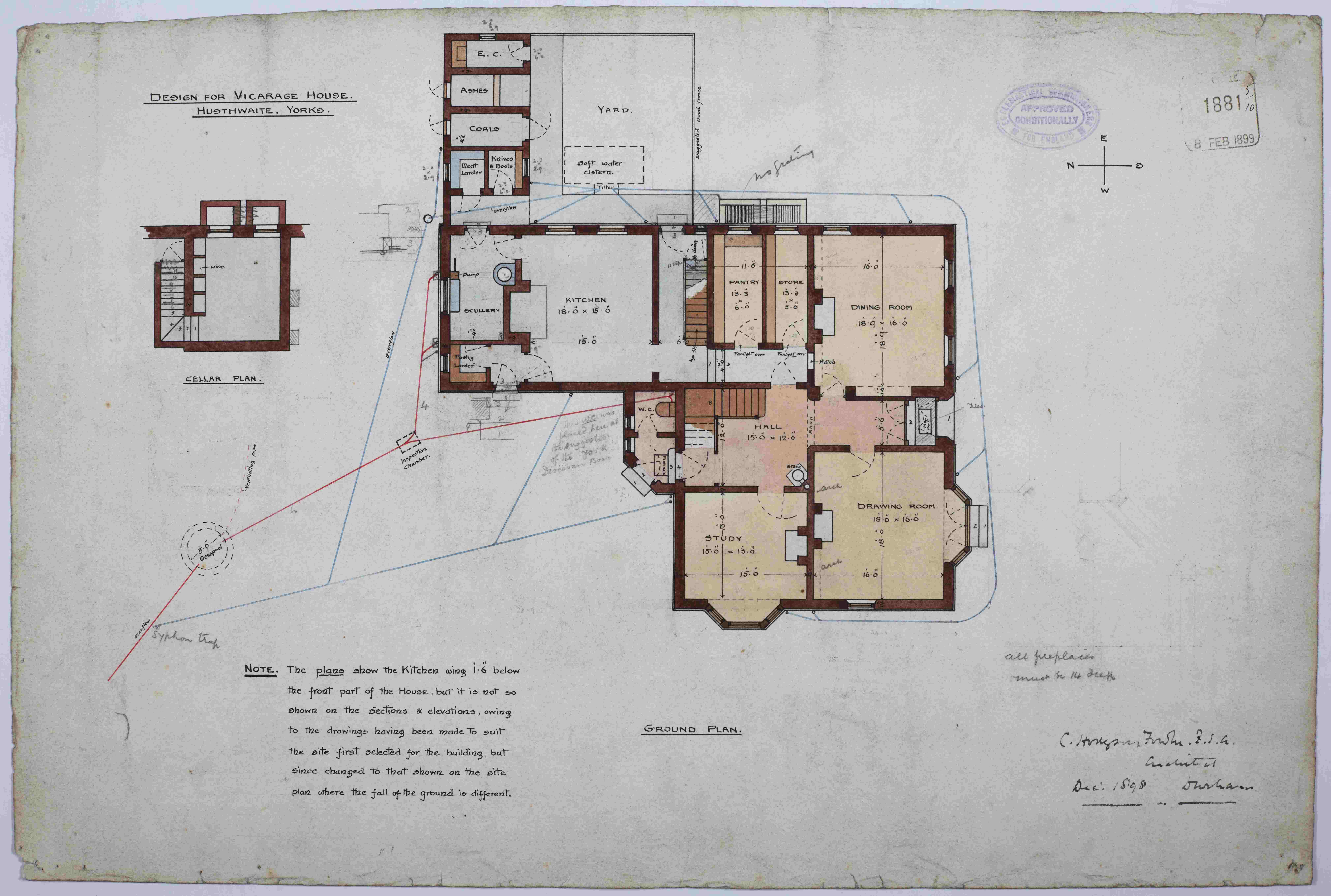
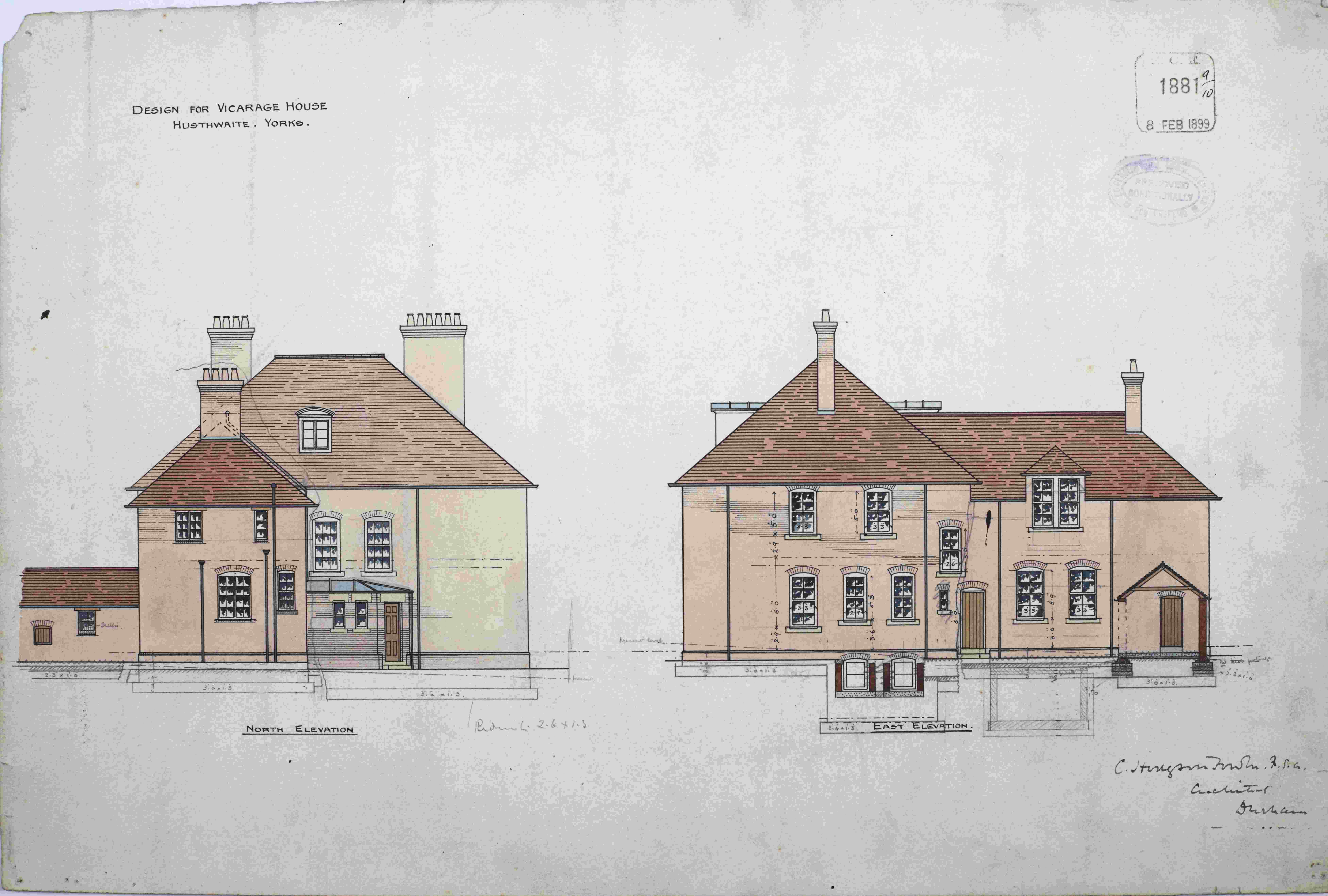
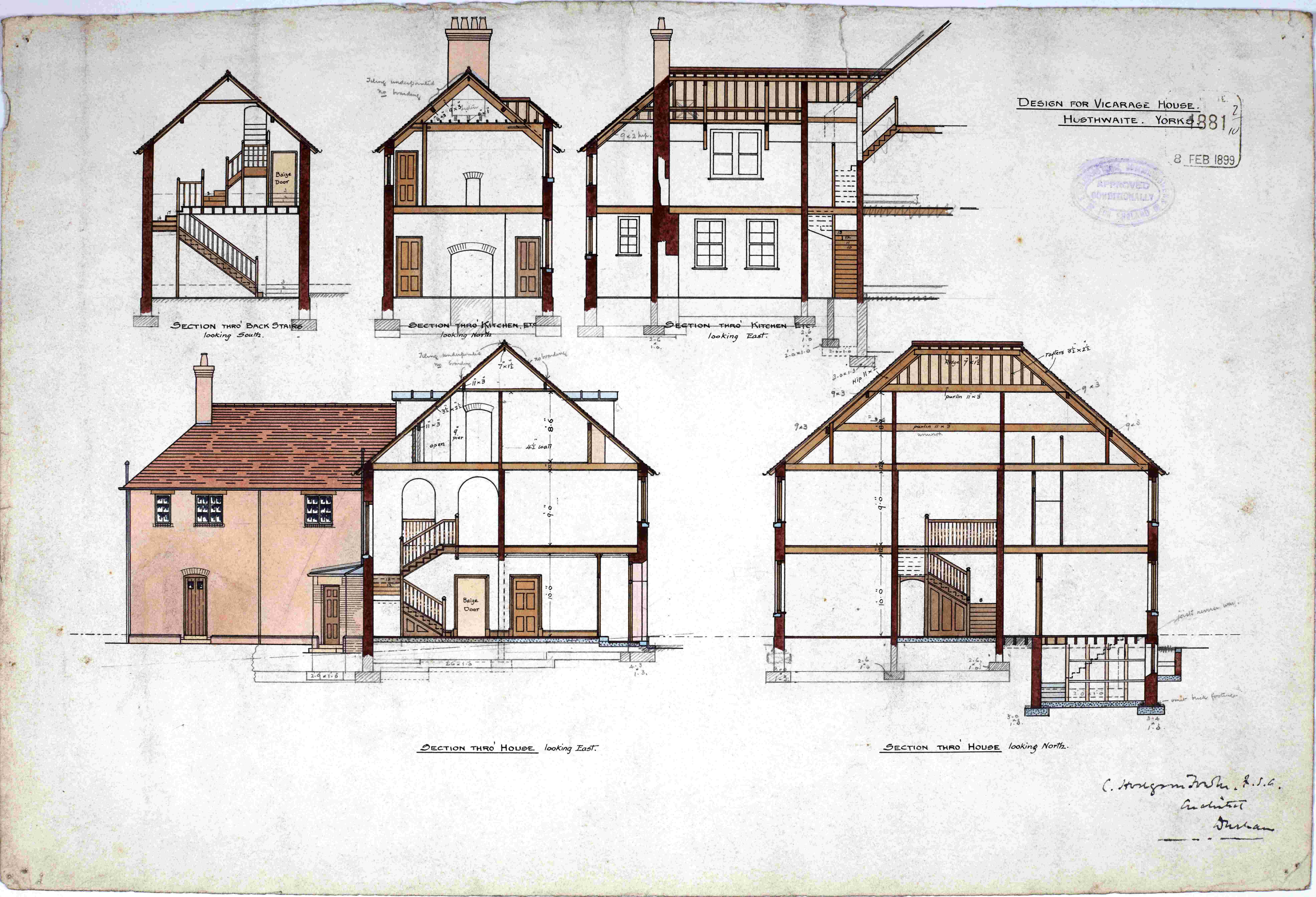
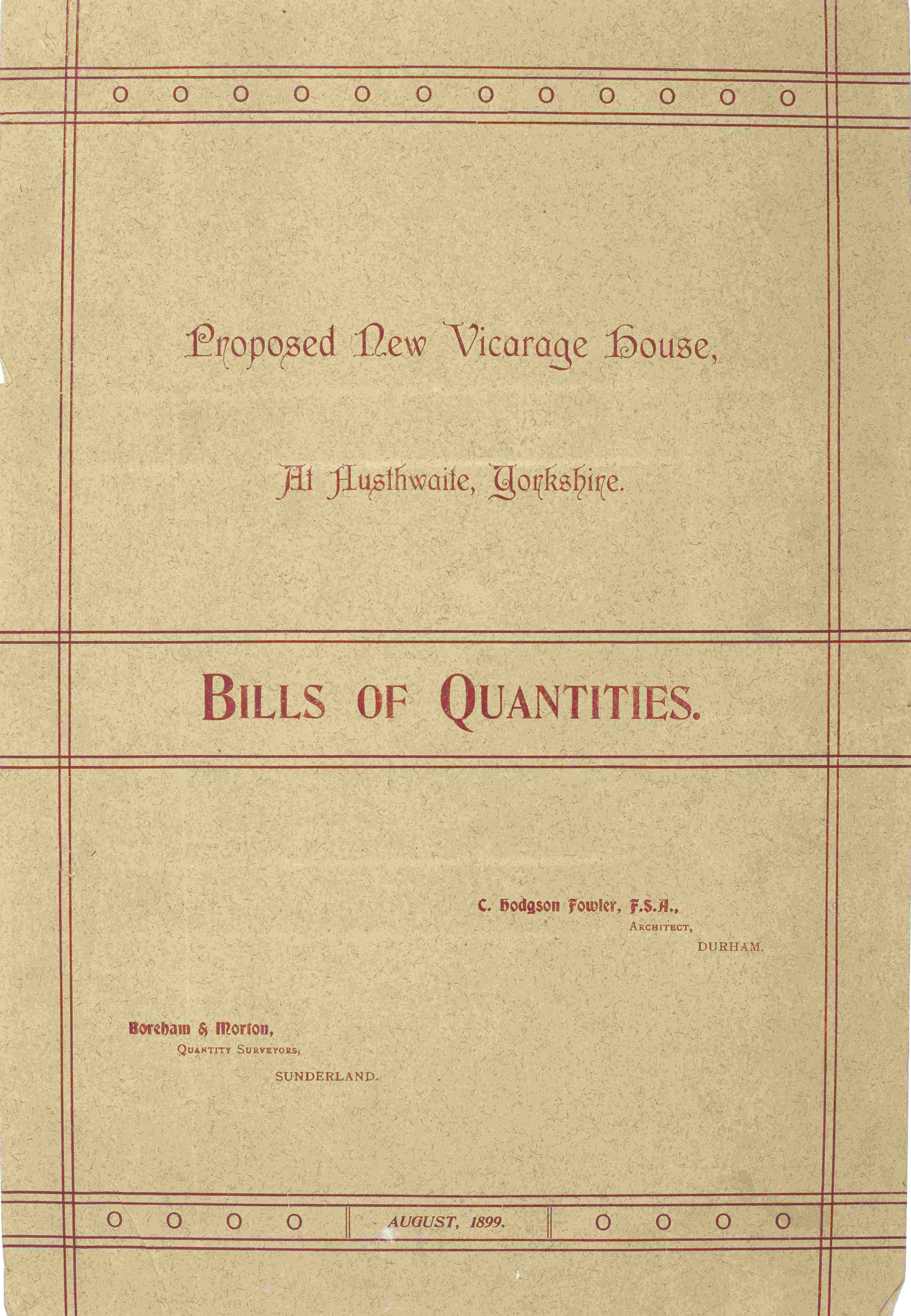
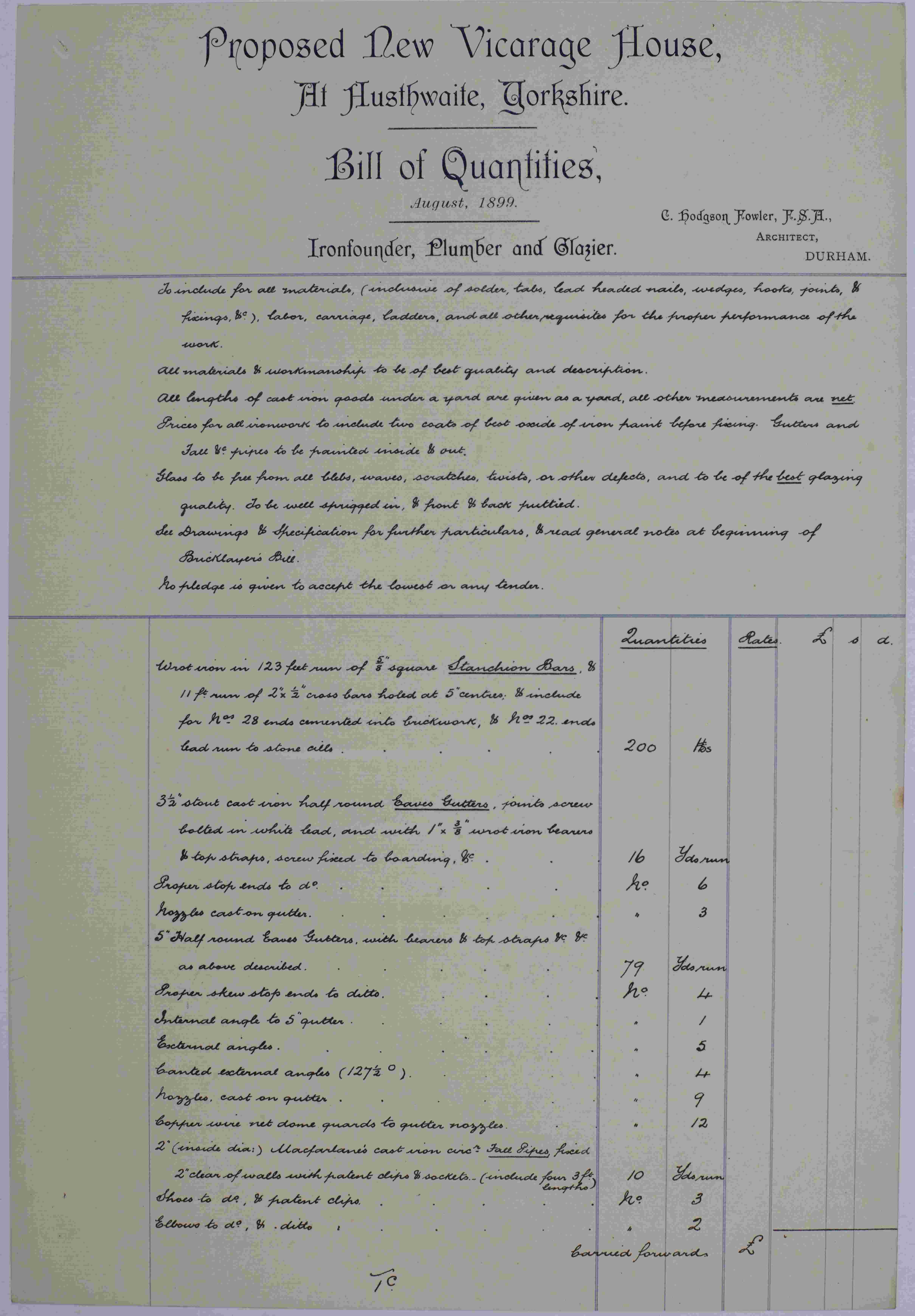
The Hodgson Fowler collection includes architectural drawings of designs for a number of vicarages [ZRA]. There are, for example, 32 architectural drawings for a proposed new vicarage house at Husthwaite dated 1898-1899, accompanied by a bill of quantities for the building works [see the full list of these drawings in our online catalogue: ZRA 35]. These include plans of the site and of the proposed house, as well as sections and elevations, details of windows and a design for stables and coach house.

Collections of historic photographs also include images of vicarages, for example the glass-plate negatives of Louisa Kruckenberg which depict the vicarage of Lower Dunsforth, a Grade II listed building, and clearly show how closely the two were located within the village.
The Dunsforths Villages website provides a detailed history of the 1860s building programme of church (by Mallinson & Healey of Bradford), vicarage and school/school house (see below) in Lower Dunsforth, partly funded by the Ecclesiastical Commissioners and partly by public subscription.
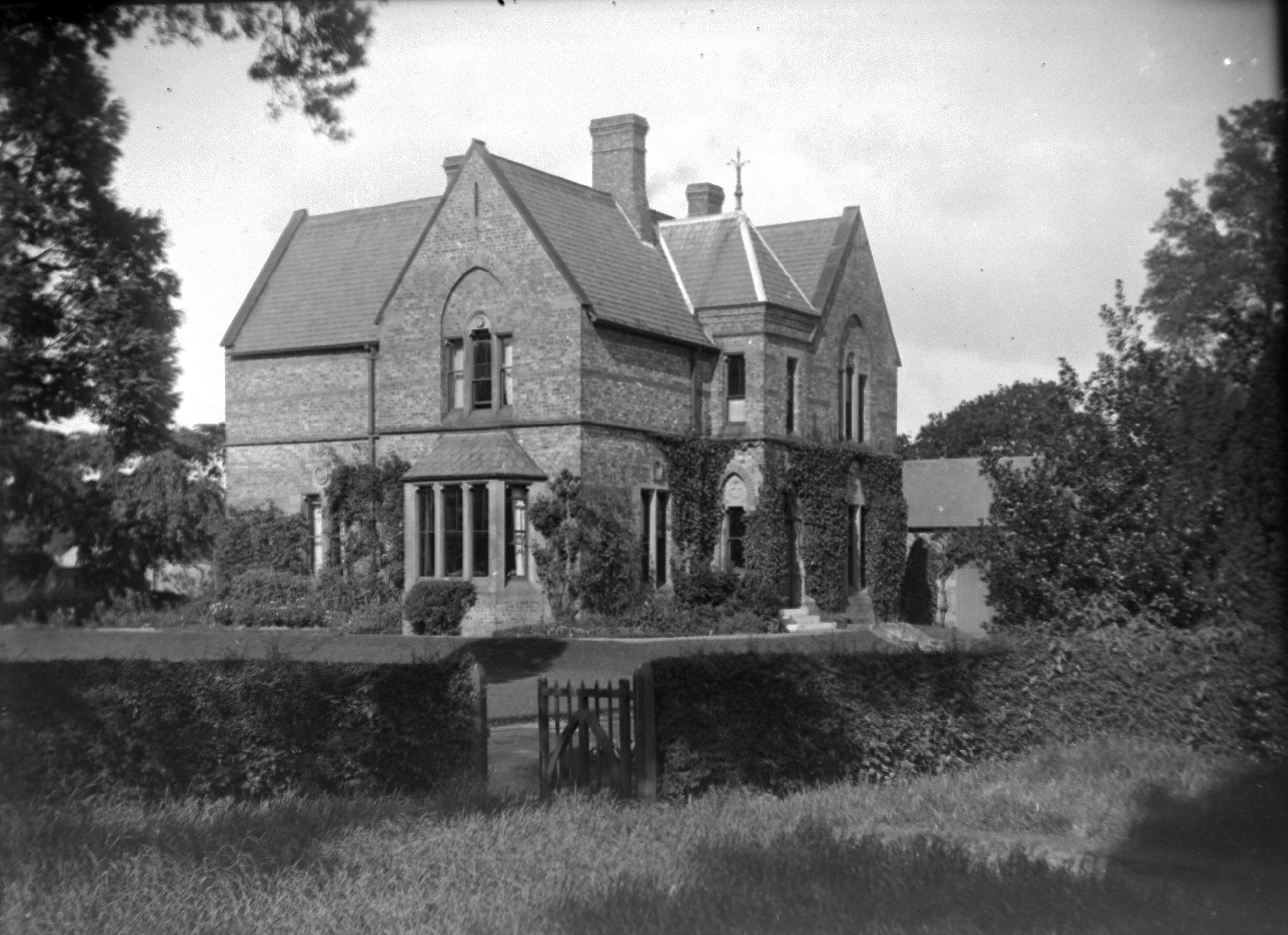

These images come from a collection of glass plate negatives from the early 1900s, taken by local photographer Louisa Krukenberg [EF 467]. You can read more about her photography in a related blog post.
The school
The Church of England was concerned to ensure the education of poor children and, in 1811, the National Society for the Promotion of Education was founded. The Society aspired for every parish to have a school so that “the National Religion should be made the foundation of National Education, and should be the first and chief thing taught to the poor, according to the excellent Liturgy and Catechism provided by our Church.” These schools were known as ‘National schools’ and grants were provided by the Society to assist parishes to raise additional funds locally. Many of today’s primary schools were founded in this way, prior to the Education Act, 1870.
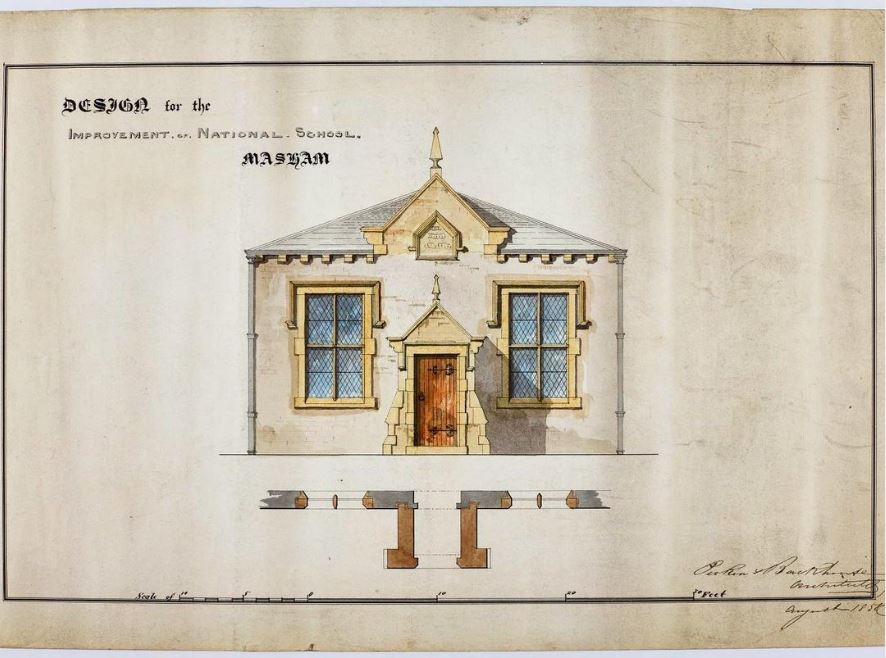
This elevation drawing for the improvement of the National School in Masham was prepared by architectural partners William Perkin and Elisha Backhouse, who had an architectural practice in Leeds between c.1839-1865. The school is a Grade II listed building, and has its origins in the 18th century, when a free school and a grammar school were founded with charitable bequests. The building now has a third, central window behind the porch and a bell-gable above.
Design for the improvement of National School, Masham, August 1858 [PR/MAS 15/1/48]
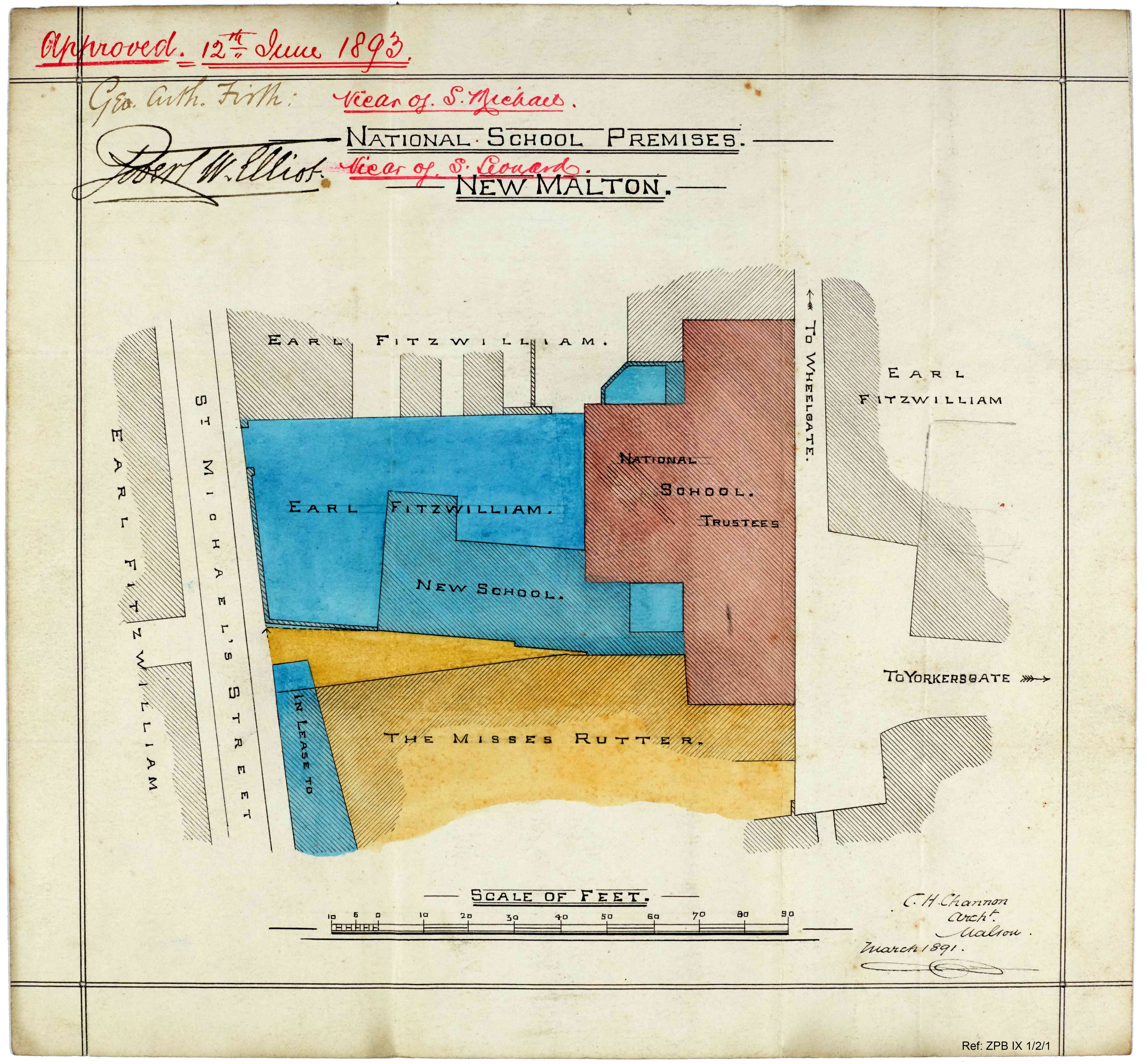
This plan for a new school in Malton comes from the Fitzwilliam family of Malton archive and was drawn by C.H. Channon, architect in March 1891. It was approved on 12 June 1893, and is signed by the vicars of two of the local churches in New Malton, George Arthur Firth of St Michael’s and Robert W. Elliot of St Leonard’s.
The site is located between St Michael Street, Wheelgate and what is now Chapel Lane, approximately in the area of the current Malton library premises (north is to the left of the plan).
Location plan of National School premises, New Malton, March 1891 [ZPB IX 1/2/1]
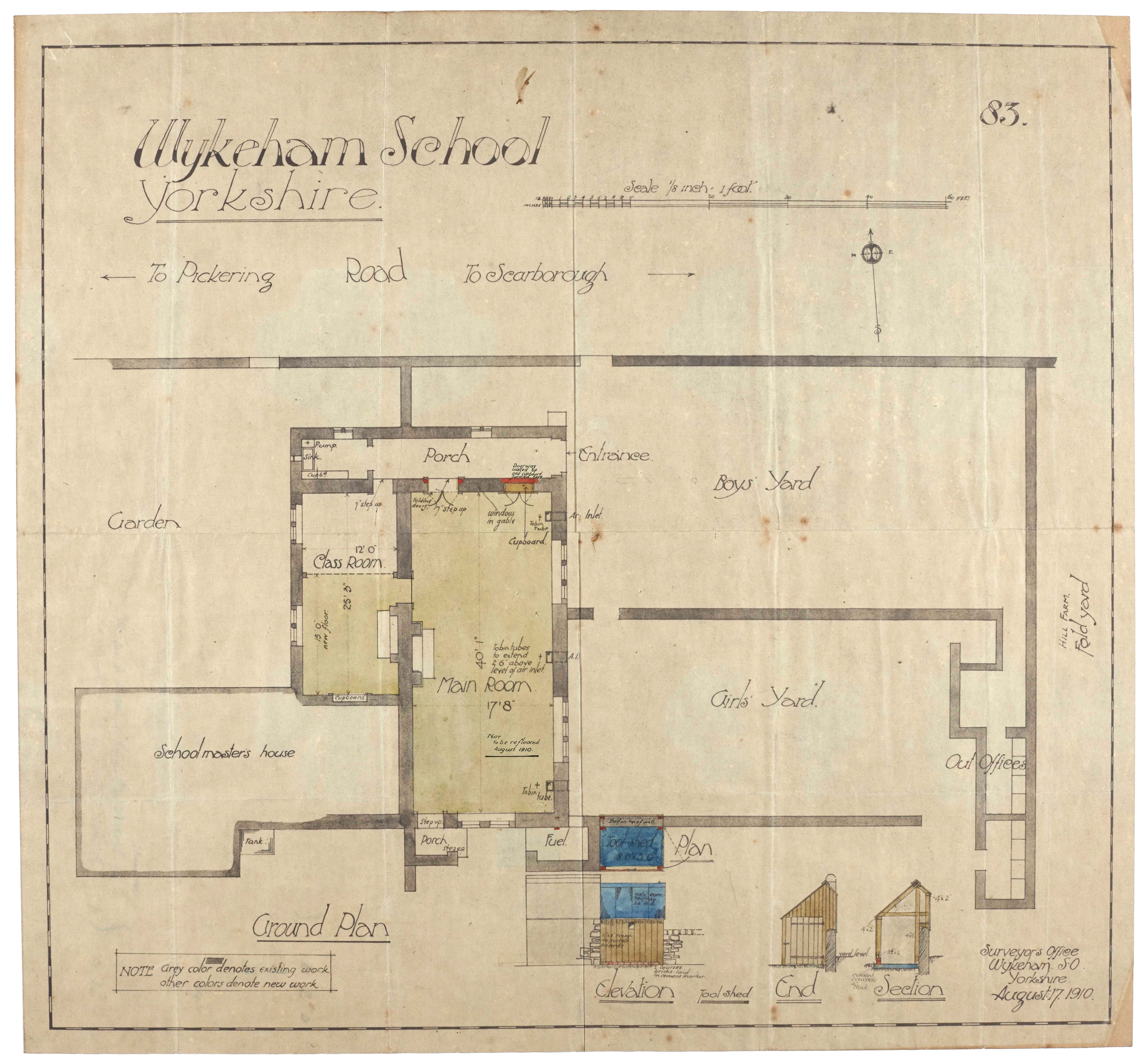
Wykeham school and attached school house is a Grade II listed building, originally designed by the architect William Butterfield, 1853-1854. This 1910 plan for alterations shows the proposed installation of Tobin tubes for ventilation and the blocking up of a doorway to form a cupboard.
Plan for alterations to Wykeham School, 17 August 1910 [PR-WYK 6-13]
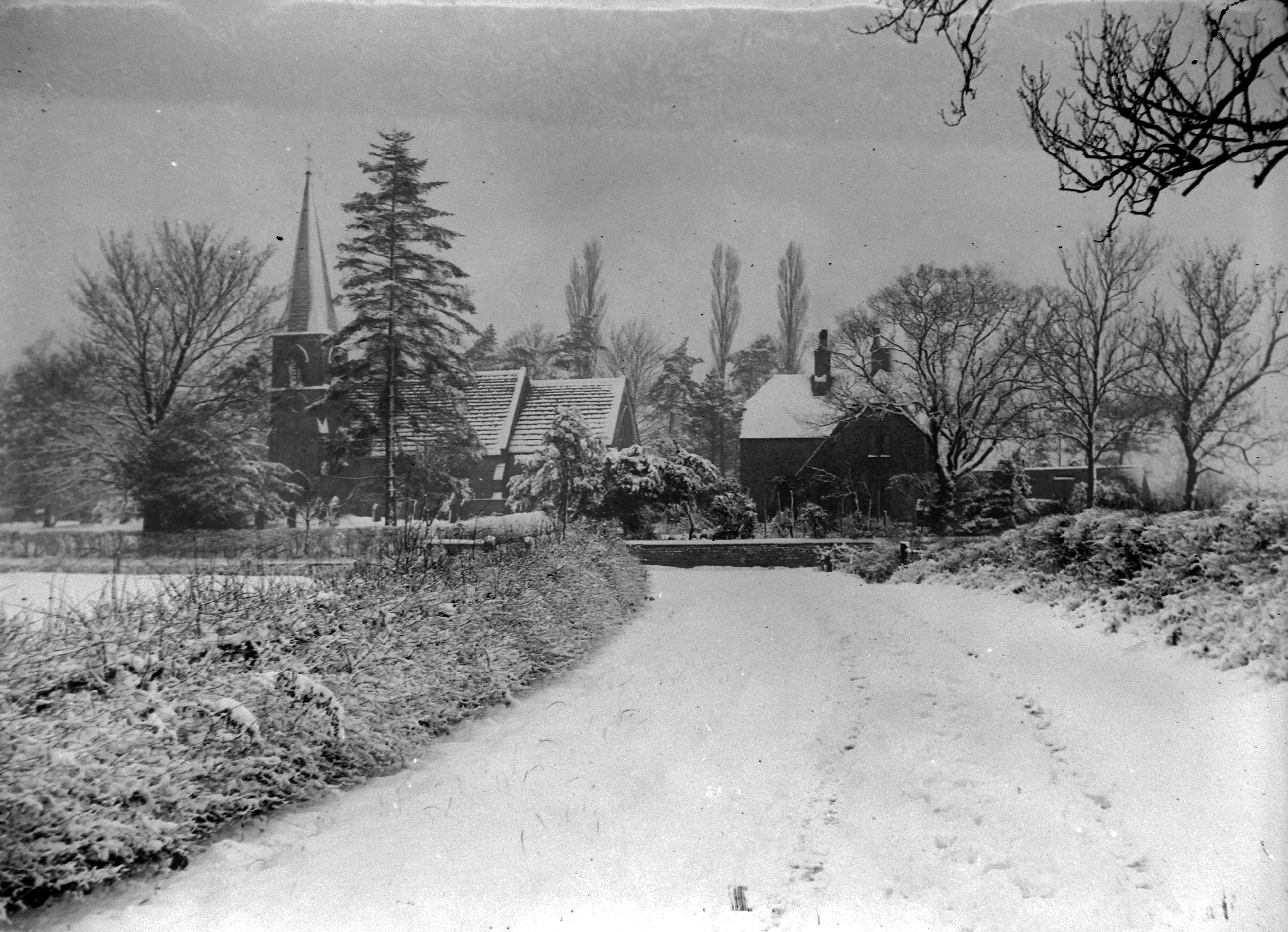

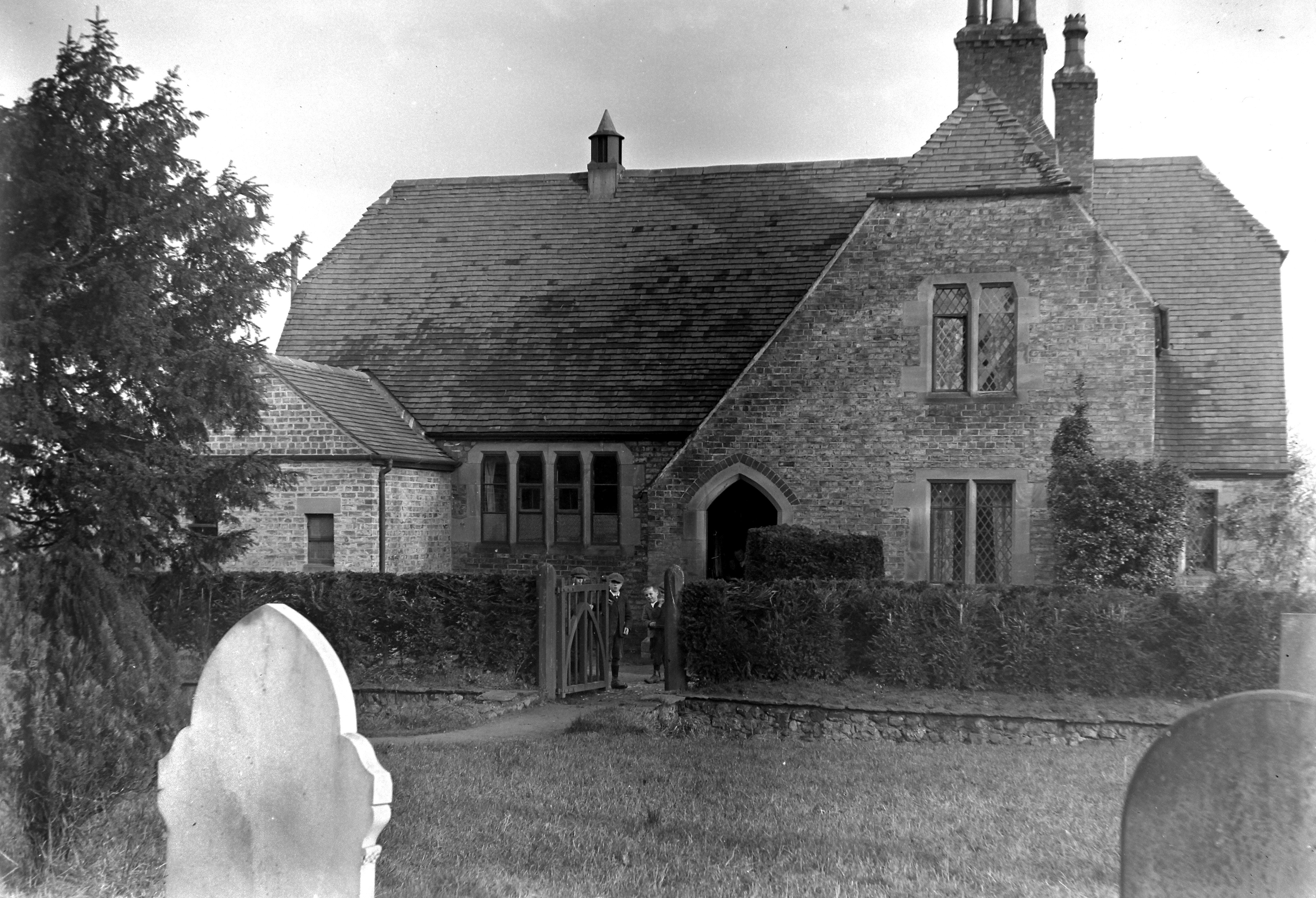
Photographs of Lower Dunsforth school and school house sited adjacent to the church by Louisa Kruckenberg, early-1920s [EF467 Box-17-DSC_0003; 0007 & 0017]
Forster’s Education Act, 1870 established that England should be divided into districts and elementary schools provided in areas where provision was insufficient. School boards were elected by the ratepayers to manage the districts and empowered to build new schools or absorb existing ones. These were the first schools to be administered by a local authority and were supplementary to the voluntary schools, run by the National Society for Promoting the Education of the Poor and the British and Foreign School Society. The schools were non-denominational and, following Balfour’s Education Act, 1902, became Council schools.
Records accumulated by individual schools include log books and admission registers. Most log books date from the 1860s and 1870s when, as a condition of an annual parliamentary grant to elementary schools, a record had to be kept of school organisation, curriculum, buildings and staffing. HMI inspection reports had to be entered in the log book, which also contains information on staff discipline, health of pupils and attendance.
Information about school records within Record Office collections can be found in our online catalogue, see below. Although information about individual pupils in the log books is limited, this might be of a confidential nature. For this reason, therefore, more recent log books are not generally made available for public consultation.
Further information
North Yorkshire County Record Office online catalogue – to find listings of parish record collections, including vicarage and school records, use the ‘Advanced Search’ tab, type ‘PR’ into the ‘Document Ref’ field, the parish name into the ‘Title’ field, and either ‘school’ or ‘vicarage’ into the ‘Any Text’ field.
For School Boards and other school records, collection reference prefixes are ‘BS’ and ‘S’ respectively. Further information about these collections can also be found in our Guide no. 1.
Our online guide to researching house history uses the example of Alne vicarage in the webpage on undertaking a map regression exercise.
 North Yorkshire Archives Blog