
Treasures from the Parish Chest: exploring North Yorkshire’s church history from archives to architecture
Parish churches and their records
This exhibition guide explores the history and role of the parish church through the breadth and diversity of church records and the information they contain. These records are a crucial part of our national heritage, of interest not only to family historians. They can tell us so much about the parish community, its beliefs and traditions, as well as contribute to social, political, economic, art and architectural histories.
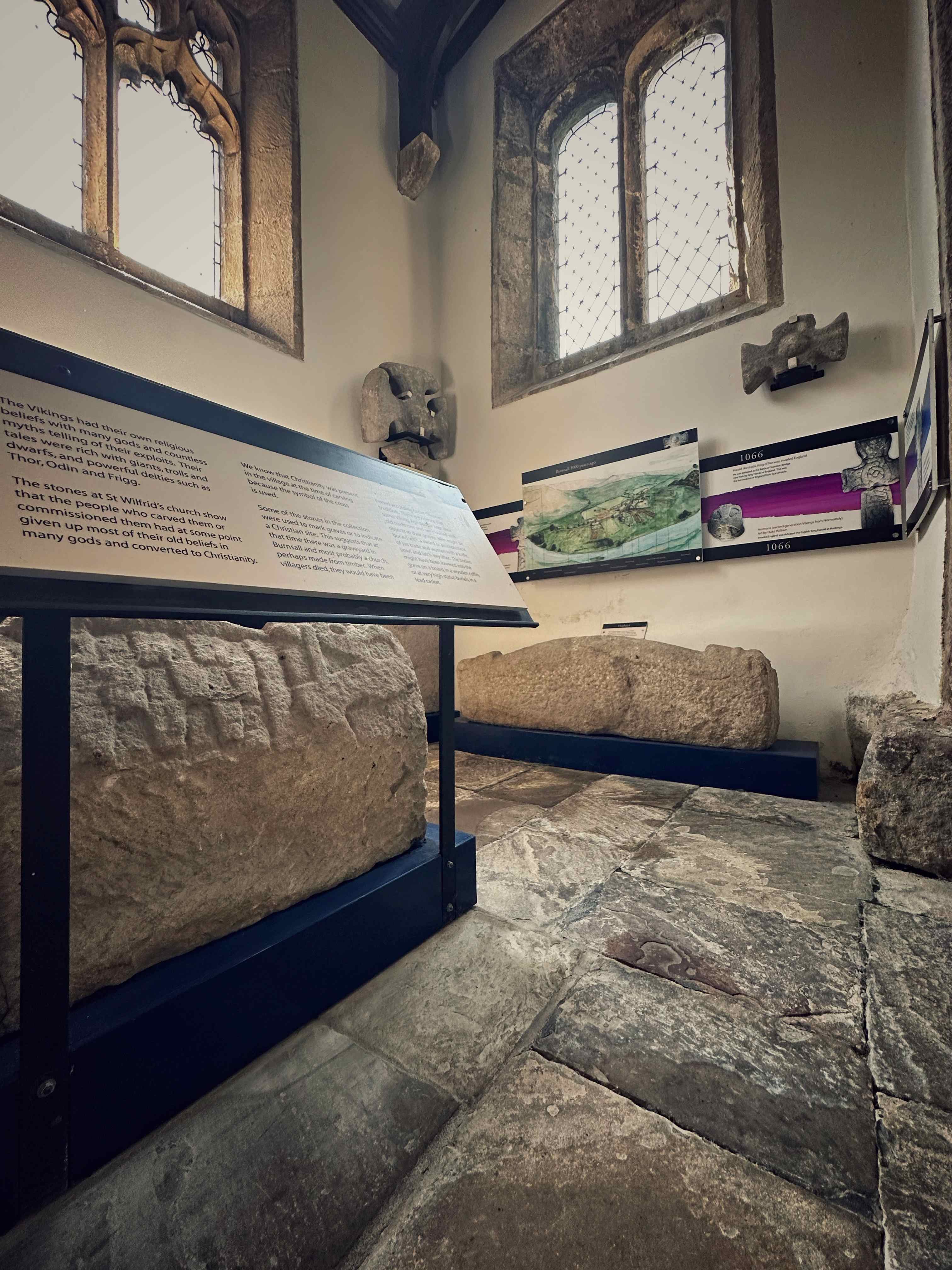
Parish churches are amongst the oldest surviving buildings in our towns and villages, most having been places of worship at the heart of a parish community and its daily life for over a thousand years. Altered, extended and rebuilt over the centuries, many churches have stood on the same site since the time of the Domesday Book in 1086 AD, they are a tangible connection with our medieval past. Some had even earlier origins, as far back as the Anglo-Saxon period in the 7th century, as evidenced through the survival of fragments of stone sculpture, pre-Conquest architectural features and archaeological remains.
Display of 9th-11th century Anglo-Scandinavian sculpture at Burnsall, St Wilfrid © Sophie Cawthorne
The related documentary evidence that survives is rarely so old, most material spanning a period of nearly 500 years from the sixteenth century onwards. The earliest items are often the parish registers used to record the ceremonies of baptism, marriage and burial from 1538. Parish record collections may also contain a wide range of other items, including churchwardens’ accounts and those of other officers of the parish, service registers, vestry and parochial church council minutes, records relating to church fabric and restoration, including faculties, the churchyard and charities, glebe terriers, enclosure, tithe and taxation records, deeds, school records, parish magazines, antiquarian papers, histories and guides, photographs and drawings, and other miscellaneous items. In addition, related material may be held in a range of other collections held at the Record Office and elsewhere.
You will see examples of many of these records and the information they contain over the following pages.
The parish
A parish is a community under the pastoral care of a priest (also variously known as a vicar, parson or rector) associated with a parish church, assisted by a curate and other officials. A division of a larger diocese, the parish falls under the jurisdiction of a bishop. Historically, the geographical area of a parish may have been similar to that of the manor.
Our searchroom Guide no.6 (opens as pdf) contains an alphabetical gazetteer of townships and parishes in North Yorkshire and their respective historic ridings. It lists the names of the ecclesiastical parish or chapelry in which each place was situated for the purpose of registering baptisms, marriages and burials. Each of these ecclesiastical parishes or chapelries frequently contains within its boundaries several villages, hamlets, townships or civil parishes.
Before the creation of civil parishes in the 19th century, the ecclesiastical parish was the principal unit of local administration for both church and civil purposes.
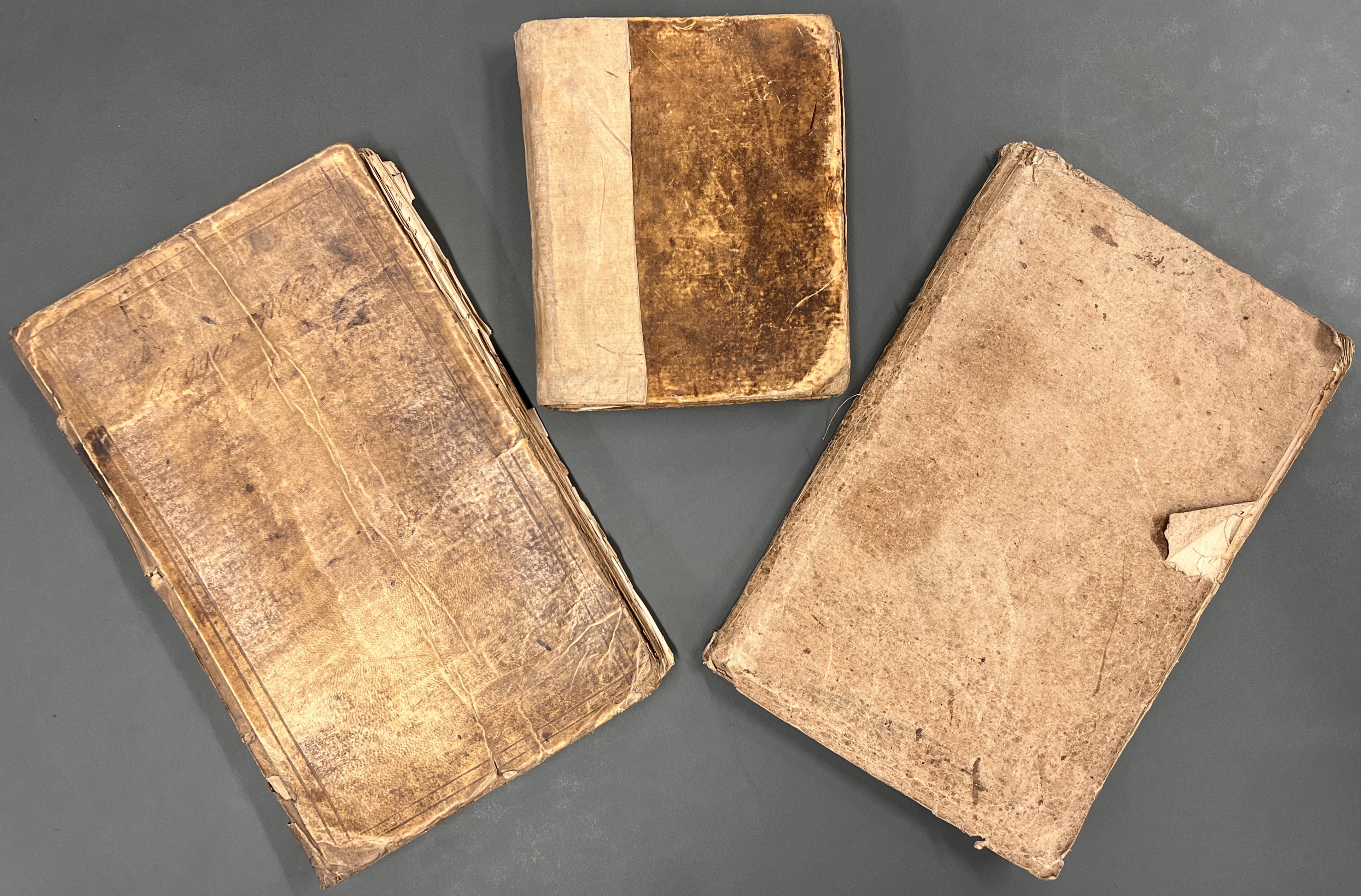
Normanby, St Andrew: overseers’, constables’, and surveyor of the highways’ accounts and assessments books, 1786-1865 [PR/NOR 5/1-3]
Accessing parish records
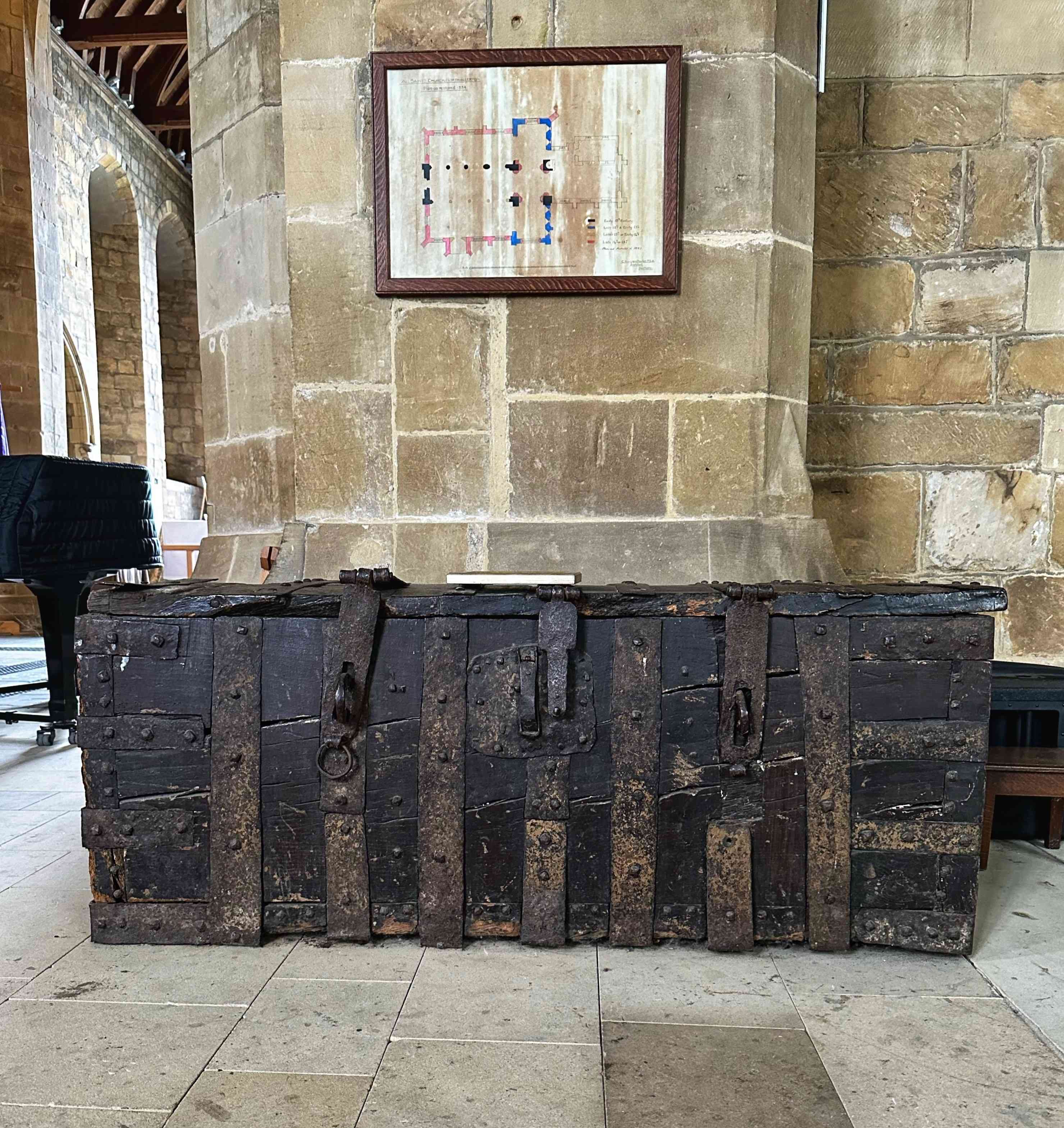
Traditionally, parish records were once kept in a parish chest, a secure place for churches to store their valuables, for example church plate, and important documents such as the registers of baptisms, marriages and burials and churchwardens’ account books. Nowadays, these church records are cared for by a network of local archives and record offices throughout the country, following the Parochial Registers and Records Measure of 1978. This Measure was passed by the General Synod of the Church of England to ensure the long-term care and preservation of, and access to, parish records.
Parish chest at Northallerton, All Saints © Sophie Cawthorne
Because of a complex administrative history, parish record collections from the geographical area of North Yorkshire and the historic North Riding are spread across a number of local archive collections. The County Record Office in Northallerton holds parish record collections for almost 300 ecclesiastical parishes from across North Yorkshire. Others are held in neighbouring archives, principally the Borthwick Institute for Archives, York; East Riding Archives, Beverley and the West Yorkshire Archive Service.

Parish record collections in store in a temperature- and humidity-controlled secure strong room at the Record Office in Northallerton
Those held by the Record Office can be identified in our searchroom Guide no.2 (opens as pdf) and via our online catalogue (with the document ref. prefix ‘PR’). The whereabouts of other parish collections can be identified using our Guide no.5 (opens as pdf).
Parish registers are available for public consultation in the Record Office searchroom in microfilm and/or transcript form. The relevant microfilm numbers and existence of a transcript are indicated in Guide no.2 (opens as pdf). In order to protect unique documents from wear and tear, the original registers are not generally available for public consultation. Most of our parish registers can also be accessed online via the Ancestry and FindMyPast subscription websites, free access to which can be provided by appointment in our searchroom, or at most North Yorkshire libraries.
Parish registers that are still in use are retained by the respective church. Church of England church contact details can be found via the A Church Near You website.
Bishops’ Transcripts
A copy of a year’s entries into the parish register were sent to the diocesan bishop from 1597. These transcripts are a useful substitute if the parish register is damaged, or no longer exists (for example, if it was lost or destroyed during the Civil War in the mid-17th century). The County Record Office does not hold Bishops’ Transcripts, these are usually to be found in the related Diocesan Record Office collections (such as the Borthwick Institute for Archives, York or the West Yorkshire Archive Service).
Non-conformist records

Not everyone was Church of England (Anglican), they may not have ‘conformed’ and may have been Roman Catholic [R/C], Quaker (Society of Friends) [R/Q], Methodist [R/M] or Independent [R/I]. Non-conformist records may have been deposited with the Record Office; these collections can be identified in our searchroom Guide no.7) and via our online catalogue. They might still be with the related church or chapel or a diocesan archive. Copies may be available through the Registrar General, via the National Archives.
Further information
North Yorkshire County Record Office collections guides:
(links open as pdfs)
- Guide 2 – Parish Registers, Census Returns, Land Tax Returns, Tithe Apportionments, Enclosure Awards in the North Yorkshire County Record Office
- Guide 5 – A Guide to the Location of Parish Registers in the County of North Yorkshire and in the old County of the North Riding
- Guide 6 – North Yorkshire Gazetteer of Townships and Parishes
- Guide 7 – List of Non-Conformist Church and Chapel Registers and of Monumental Inscriptions in the North Yorkshire County Record Office
- Guide 10 – List of Architectural Plans – includes plans and drawings of churches and chapels
North Yorkshire County Record Office online catalogue – to find listings of parish record collections, including parish registers, use the ‘Advanced Search’ tab, type ‘PR’ into the ‘Document Ref’ field and the parish name into the ‘Title’ field.
 North Yorkshire Archives Blog